
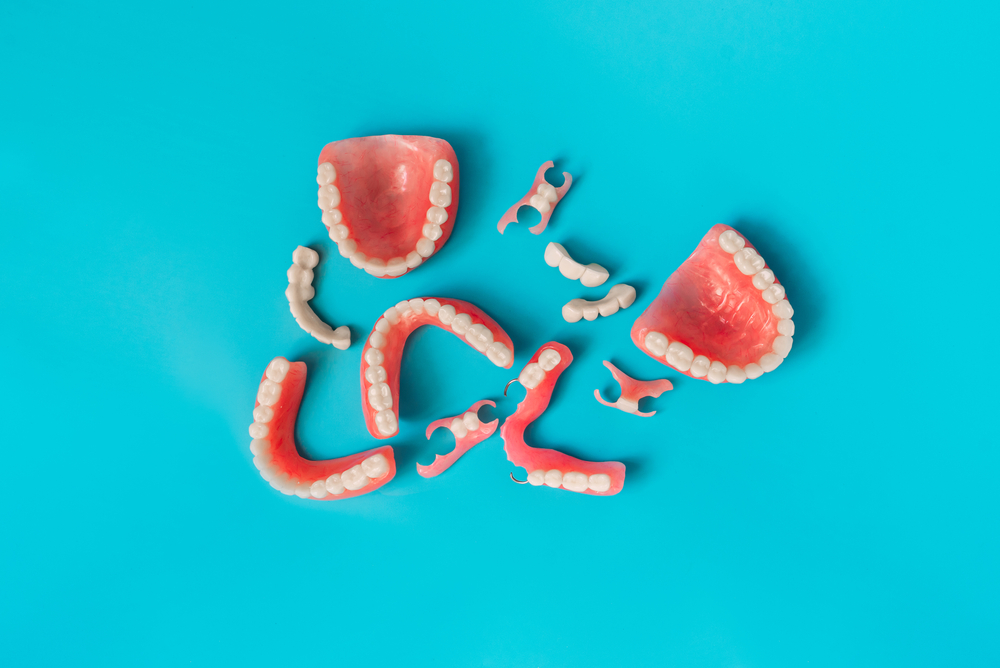
Have you lost several teeth and want a substitute option that suits your lifestyle? Dentures in Richmond can replace missing teeth while supporting eating, talking, and other everyday activities. Dentures come in various types, and each type has been manufactured to serve different needs, depending on the number of teeth missing and the condition of the remaining teeth. Some dentures can be removed and cleaned every day, while others may use dental implants to hold them in place.
Understanding the main types of dentures can help make it easier to discuss suitable options and choose a solution that fits your oral health, comfort, and everyday lifestyle.
What Are the Three Main Types of Dentures?
The three common types of dentures are complete dentures, partial dentures, and implant-supported dentures. Each type has a different purpose and may be suitable for different dental needs.
The three main options are:
- Complete dentures: Restore a full row of missing teeth in the upper or lower jaw.
- Partial dentures: Fill some missing-tooth gaps with support from the natural teeth.
- Implant-supported dentures: Use dental implants to help keep dentures stable and secure.
A dental assessment by a dentist near you can help determine which option may be appropriate.
1. Complete Dentures
Complete dentures are used to replace all teeth in the upper jaw, lower jaw, or both. The dentures sit on the gum and can be taken off while sleeping and during cleaning.
They can assist with:
- More accessible chewing
- Easier to understand speech
- Smile looks more complete.
- The lips and cheeks need support.
It is essential to have a proper fit. Gums and jaw changes can affect the fit over time.
2. Partial Dentures
Partial dentures are used when some natural teeth are still present. They have replacement teeth attached to a base that fits around the remaining teeth.
Partial dentures may be a good option when:
- Several teeth are missing.
- Some natural teeth are still healthy.
- You prefer removable dentures.
- A fixed option is not suitable.
The design depends on where the teeth are missing and the health of the remaining teeth. A good fit can help improve comfort and make eating easier.
3. Implant-Supported Dentures
Implant-supported dentures use dental implants in the jawbone to stay in place better than standard dentures.
Benefits may include:
- Eating and speaking with more stability.
- Less slipping or movement.
- Improved support.
- A more secure feel.
A dentist in Richmond can examine your jawbone and oral health to determine if implants are a suitable option for you.
What Are the Easiest Dentures to Wear?
There is no single answer because comfort depends on the fit, design, oral health, and adjustment period.
Some patients may find traditional dentures comfortable once they become used to them. Others may prefer implant-supported dentures because they can provide additional stability.
Essential components include:
- An effective denture.
- The number of missing teeth.
- Condition of the gums.
- State of the jawbone.
- Cleans and cares for the dentures.
- Comfort and lifestyle needs.
Getting the right fit is one of the most important elements of an easy-to-wear denture.
What Is the Newest Type of Dentures?
Modern denture options continue to improve in design, materials, and fit. Implant-supported dentures are one of the more advanced options because they use dental implants to provide additional support.
Digital technology may also be used during the planning and design process. Depending on the treatment approach, digital scans can help create a more precise fit and improve the overall design of the denture.
The newest option is not always the best option for every patient. The right choice should be based on individual dental needs rather than technology alone.
How Can Dentures Support Everyday Life?
Replacing missing teeth can help restore important parts of daily function. Dentures may help fill spaces in the smile and support activities that become difficult after tooth loss.
Depending on the type chosen, dentures may help with:
- Chewing food
- Supporting speech
- Restoring the appearance of the smile
- Supporting facial structure
- Improving confidence in everyday situations
The level of improvement can vary based on the denture type, fit, and individual adjustment period.
Explore Your Options for a More Comfortable Smile!
Selecting the right set of dentures will depend on how many teeth you are missing, your oral health and daily needs. Full dentures replace all lost teeth while partial dentures replace specific individual teeth. Patients may benefit from improved support and stability with dentures. You can learn about your options through a dental assessment so you can choose one that suits your needs.
Booking an appointment with The Urban Dentist will allow you to discuss your missing teeth and denture options. This is a good next step to restoring your smile and life!
FAQs
Are complete dentures used when all teeth are missing?
Yes. Complete dentures are designed to replace all missing teeth in the upper jaw, lower jaw, or both.
Can partial dentures replace only a few missing teeth?
Yes. Partial dentures can replace several missing teeth while fitting around the remaining natural teeth.
Are implant-supported dentures removable?
Some can be removed for cleaning, while others stay fixed in place. It depends on your treatment plan and needs.
How do I know which denture is right for me?
Your dentist can check your teeth, gums, and jaw and suggest the best denture for your needs.