Cavities are the most common chronic childhood health condition. They affect millions of children every year — and in most cases, they are entirely preventable.
Cavity prevention for kids starts long before a child loses their first baby tooth. The habits, foods, and professional care a child receives in their early years lay the foundation for a lifetime of healthy teeth.
This guide covers everything parents need to know — in simple, clear language — to protect their child’s smile from decay.
Why Baby Teeth Matter So Much
Many parents wonder—if baby teeth fall out anyway, does it really matter if they get cavities?
The answer is yes — very much.
Baby teeth are not just temporary placeholders. They guide the permanent teeth into their correct positions, support proper speech development, and allow children to chew nutritious food comfortably. A cavity in a baby tooth can cause pain, infection, and early tooth loss — all of which can affect the permanent teeth developing beneath.
Getting proper pediatric dentistry in Richmond from early childhood means problems are caught and addressed before they affect long-term development.
Children’s Oral Health Tips That Definitely Work
Start Brushing Before the First Tooth Arrives
Oral health care starts before teeth emerge. After feeding, take a clean, wet cloth and wipe your baby’s gums. This sterilizes germs and ensures that your infant is familiarized with the process of having their mouth cleaned.
When the first tooth appears — usually around six months — begin brushing with a soft infant toothbrush and a tiny smear of fluoride toothpaste.
Use the Right Amount of Toothpaste
The amount of fluoride toothpaste used matters at different ages:
- Under 3 years — a smear the size of a grain of rice
- Ages 3 to 6 — a pea-sized amount
- Ages 6 and above — a standard pea-sized amount twice daily
Always supervise brushing until children are around eight years old — most children lack the coordination to brush effectively on their own before this age.
Make Flossing a Daily Habit Early
As soon as two teeth touch each other, flossing should begin. This is usually around age two to three. Bacteria hide between teeth where brushing cannot reach—and this is where many childhood cavities develop.
Floss picks designed for children make the process easier and more manageable for young ones.
How to Stop Tooth Decay in Children — Diet Matters Enormously
Understanding how to stop tooth decay in children requires looking closely at what they eat and drink every day.
Diet tips that make a real difference:
- Limit sugary snacks and drinks—sugar feeds the bacteria that produce cavity-causing acid in the mouth
- Avoid juice and flavoured milk at bedtime—liquids that pool around the teeth during sleep cause rapid decay
- Offer water as the main drink — especially fluoridated tap water, which actively strengthens enamel
- Choose cheese, vegetables, and nuts as snacks—these support saliva flow and help neutralize mouth acids
- Avoid frequent snacking — every time a child eats, the mouth produces acid for 20 to 30 minutes. Fewer eating occasions mean less acid exposure overall
- Never put a baby to bed with a bottle of milk or juice—this is one of the most common causes of severe early childhood tooth decay
The Role of Fluoride in Cavity Prevention
Fluoride is one of the most effective tools available for preventing cavities in children. It works by strengthening the outer layer of the tooth—called enamel—making it more resistant to acid attacks from bacteria.
Sources of fluoride include:
- Fluoride toothpaste
- Fluoridated tap water
- Professional fluoride treatments applied by a dentist
- Fluoride varnish — a concentrated topical treatment applied at dental checkups
A trusted dentist in Richmond, BC, will assess your child’s fluoride exposure and apply a professional fluoride treatment at routine visits when appropriate.
Dental Sealants — An Extra Layer of Protection
Dental sealants are thin protective coatings applied to the chewing surfaces of the back teeth. The back molars have deep grooves and pits where food and bacteria easily become trapped—even with thorough brushing.
Sealants fill in those grooves, creating a smooth surface that is much easier to keep clean. They are quick, painless, and highly effective—and are most commonly applied when the permanent molars come in, usually around ages six and twelve.
A dentist near you who provides sealants as part of preventive care for children can significantly reduce your child’s risk of developing cavities in those vulnerable back teeth.
Regular Dental Visits — Why They Cannot Be Replaced
A child can never replace a professional dental checkup with any amount of good home care. A dentist can often treat the patient:
- Detect early decay before it becomes a painful cavity
- Remove hardened tartar that brushing cannot clear
- Apply fluoride treatments and sealants at the right developmental stages
- Monitor the development of permanent teeth
- Give personalized guidance to parents and children
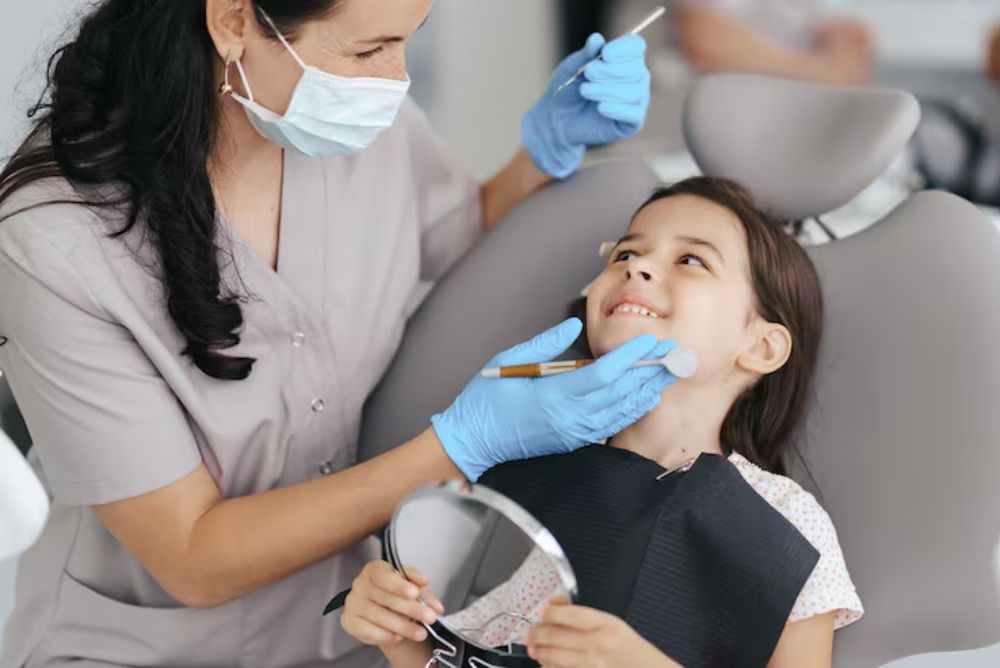
The first dental visit should happen when the first tooth appears or by the child’s first birthday — whichever comes first.
Give Your Child a Cavity-Free Future—The Urban Dentist Is Here to Help
Preventing cavities in children is one of the greatest gifts a parent can give. When good habits start early and professional care is part of the routine, children grow up with healthier teeth, fewer dental fears, and a positive relationship with oral health that lasts a lifetime.
At The Urban Dentist, the team loves caring for young patients in a warm, friendly environment that makes dental visits something children actually look forward to. Whether your child is attending their very first appointment or coming in for a routine checkup, they are in kind, capable hands. Book your child’s appointment with us today—and invest in a smile that will last a lifetime.