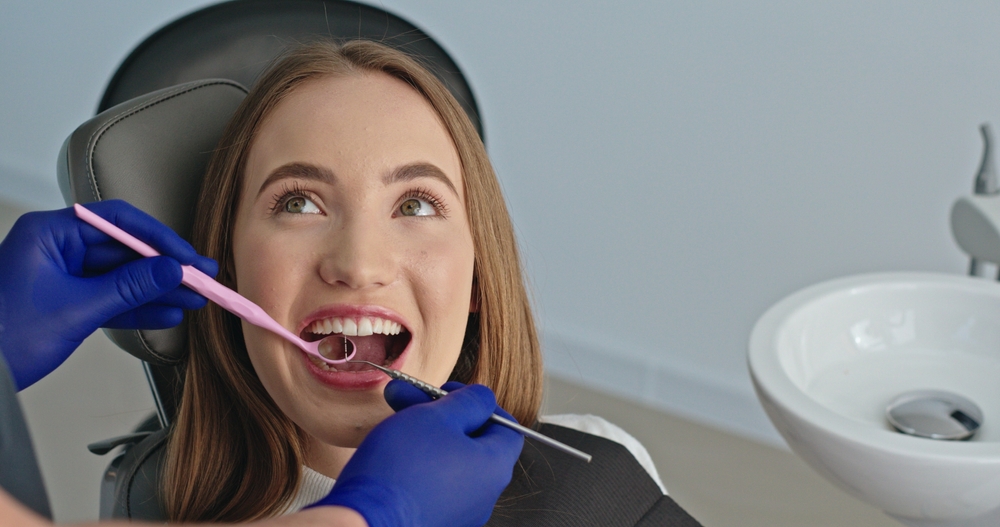
Loose teeth can be worrying, especially when gum disease is the cause. Healthy gums and the bone beneath them help hold teeth in place. When gum disease damages these supporting tissues, teeth may start to move, feel uncomfortable while chewing, or develop gaps. A dentist in Richmond can examine your gums and teeth to determine the extent of damage and which treatments may help.
Treatment depends on how serious the gum disease is and how much support remains around your teeth. Early gum problems may improve with professional cleaning and good home care. More serious cases may need surgery. Treatment cannot always save loose teeth, but seeing a dentist early may help prevent more damage. Knowing when surgery is needed and what recovery may be like can help you prepare for treatment.
How Does Gum Disease Make Teeth Loose?
Gum disease begins when plaque builds up along the gumline. If it is not removed, the gums can become swollen and infected. Over time, the infection may damage the bone and tissues that support the teeth. As this support weakens, teeth may become loose.
Common warning signs include:
- Gums that bleed during brushing or flossing
- Red, swollen, or tender gums
- Gums pulling away from the teeth.
- Persistent bad breath
- Teeth that move or feel different when biting
- Changes in how your teeth fit together
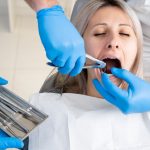
If you notice these signs, visit a dentist. A dentist near you can check your gums, measure the gaps around your teeth, and take dental X-rays if needed to see if you have lost bone around your teeth.
When Is Periodontal Surgery Needed?
Not everyone with gum disease needs surgery. In the early stages, it may be treated with professional teeth cleaning, better brushing and flossing, and regular dental visits. If the spaces around the teeth become deeper or the infection does not improve with other treatments, gum surgery may be needed.
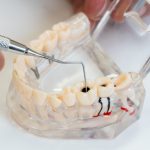
The goal of periodontal surgery is to reach areas that are difficult to clean, reduce deep gum pockets, or repair certain types of damage where possible. Depending on the condition, treatment may involve lifting the gum tissue to clean the roots or using special materials to support bone or tissue repair.
Periodontal surgery in Richmond may be considered when:
- Gum pockets remain deep after a thorough cleaning.
- Infection continues below the gumline.
- Bone loss needs further treatment.
- Certain areas may benefit from a procedure to support tissue healing.
Surgery does not guarantee that loose teeth will become firm again. The outcome depends on the remaining bone support, the severity of the disease, and ongoing care.
Can Periodontal Surgery Save Loose Teeth?
Periodontal surgery may help control infection and protect the tissues that remain around some teeth. However, a tooth with severe bone loss may not be stable enough to save. The dentist will assess its movement, the amount of supporting bone, and whether it can work comfortably during chewing.
Treatment for periodontal surgery for loose teeth may also include cleaning below the gumline, adjusting the bite in selected cases, or joining certain teeth together for added support. These options are not suitable for everyone, and joining teeth does not stop gum disease on its own.
If a tooth cannot be saved, removal and replacement options may need to be discussed. The best plan depends on your overall oral health and the condition of the other teeth.
What Does Recovery From Periodontal Surgery Feel Like?
Recovery depends on the type of surgery and how much of the gum is treated. You may have some bleeding, swelling, soreness, or sensitivity for the first few days. These problems should gradually improve as your gums heal.
After periodontal surgery near you, follow the instructions provided by your dental team. You may be advised to:
- Eat soft foods while the area heals.
- Avoid chewing directly on the treated area.
- Brush carefully and follow instructions about cleaning near the surgical site.
- Avoid smoking, which can slow healing.
- Take prescribed or recommended medicines as directed.
- Attend follow-up visits so healing can be checked.
Do not pull at stitches or disturb the treated gum tissue. Contact your dental team if pain or swelling gets worse, bleeding does not stop, you develop a fever, or you notice signs of infection.
What If the Tooth Has Other Problems?
Loose teeth can have more than one cause. Gum disease is a common reason, but injury, a cracked tooth, or infection inside a tooth may also affect its condition. A proper examination helps identify the main problem before treatment begins.
If a tooth has had root canal treatment and remains painful or infected, failed root canal options may include further root canal treatment, root-end surgery, or extraction, depending on the cause and whether the tooth can be restored. These treatments address problems inside or around the tooth and are different from periodontal surgery, which treats the supporting gum and bone tissues.
A dentist in Richmond can explain which problem needs attention and whether more than one type of treatment may be required.
Take Action to Protect Your Teeth and Gums!
If your teeth feel loose or your gums bleed often, do not wait for the problem to get worse. An early dental assessment can help identify the cause, show how much support your teeth still have, and explain which treatments may help. You can also learn what to expect during recovery and how to care for your gums after treatment.
Contact The Urban Dentist to book an appointment and discuss your gum problems with the dental team. They can explain your treatment options and help you choose a care plan that suits your needs. Early care can help control gum disease and protect your remaining teeth.