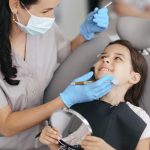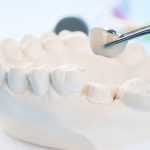

Do you wonder why your child keeps getting cavities although you encourage brushing well? Various factors can cause tooth decay, such as munching on a lot of sugary snacks, not brushing the entire area, the natural shape of the teeth, and other conditions in the mouth. A useful first step to protecting your child’s developing smile is understanding what causes recurring cavities. If you are looking for a pediatric dentistry in Richmond, a dental exam may help identify the cause of recurring cavities and give personalized recommendations to support healthier teeth as your child ages.
Why Do Some Children Get Cavities More Often?
Some children are naturally at a higher risk of developing cavities than others. Tooth decay usually develops when bacteria in the mouth combine with food particles and produce acids that weaken the tooth surface over time.
Several factors may increase the risk, including:
- Frequent sugary snacks or drinks
- Brushing or flossing that misses certain areas.
- Deep grooves in the chewing surfaces of teeth
- Dry mouth
- Skipping regular dental checkups
Finding the cause early can help prevent new cavities from forming.
Is It Normal to Have a Lot of Cavities as a Kid?
While cavities are common during childhood, getting many cavities is not considered a normal part of growing up. Repeated tooth decay may be a sign that changes are needed in daily oral care, eating habits, or preventive dental care.
A dental examination can help identify why cavities keep developing and what steps may help lower the risk.
How Can Parents Help Prevent Cavities?
Healthy daily habits play an important role in protecting children’s teeth.
Helpful ways to reduce the risk of cavities include:
- Brush teeth twice a day with fluoride toothpaste.
- Help younger children brush until they can do it well on their own.
- Floss once teeth begin touching each other.
- Limit sugary snacks and drinks between meals.
- Encourage drinking water throughout the day.
- Schedule regular dental checkups.
Small daily habits can make a big difference in protecting developing teeth.
How Can a Dentist Help Reduce Future Cavities?
Routine dental checkups can help in spotting early-stage cavities; thus, avoiding them from turning into bigger issues.
A dentist in Richmond may recommend preventive care according to your child’s specific needs, which includes.
- Professional dental cleanings
- Fluoride therapy
- Sealants used on back teeth
- Parents and children oral hygiene information
- Keeping track of growing teeth
Preventive Care Helps Support Healthy Teeth In Childhood
How to Stop Kids From Getting Cavities?
Many parents also wonder, “How to stop kids from getting cavities?” Although no method can guarantee that cavities will never occur, combining good home care with regular dental visits can greatly lower the risk.
Simple steps include:
- Choosing healthy snacks more often
- Limiting sticky sweets
- Encouraging brushing before bedtime
- Replacing toothbrushes regularly
- Following the dental care plan recommended during checkups
Consistency is one of the most important parts of preventing tooth decay.
When Should a Child Visit the Dentist?
Routine dental visits help monitor your child’s oral health as the teeth grow and develop. Early checkups also allow dental concerns to be identified before they become more difficult to treat.
If you are looking for a dentist near you, scheduling regular preventive visits can help keep your child’s teeth healthy and support long-term oral health.
Help Protect Your Child’s Healthy Smile!
Are you concerned about your child’s recurring cavities or looking for ways to keep their teeth healthy as they grow? A professional dental visit can help identify cavity risks, monitor your child’s oral development, and provide practical guidance to support strong, healthy teeth. Book an appointment with The Urban Dentist to receive personalized preventive care, helpful oral hygiene advice, and ongoing support for your child’s smile at every stage of childhood.
FAQs
Is it normal to have a lot of cavities as a kid?
Cavities are common in children, but having many cavities is not considered normal. Repeated tooth decay may indicate that preventive care or daily habits need improvement.
How can I help prevent cavities at home?
Brushing twice a day, flossing daily, limiting sugary snacks, drinking water, and attending regular dental checkups all help reduce the risk of cavities.
Are baby teeth important if they eventually fall out?
Yes. Healthy baby teeth help children chew properly, speak clearly, and guide permanent teeth into the correct position.
How often should children have dental checkups?
Most children benefit from regular dental visits every six months, although the recommended schedule may vary depending on their individual oral health needs.