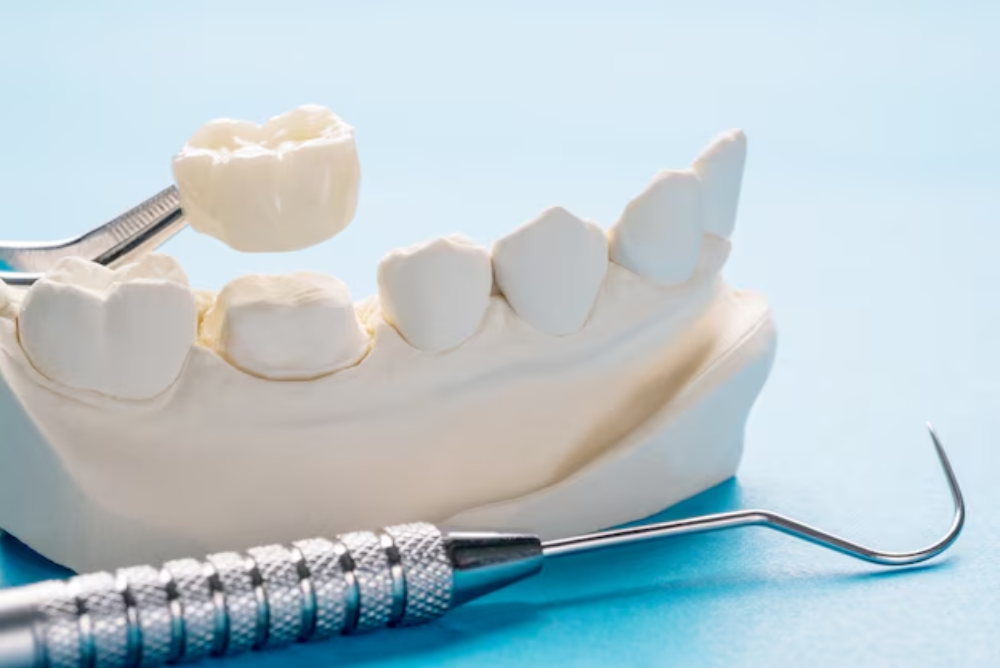
Many people assume a porcelain cap creates a permanent shield that blocks out all future problems. A common question during a checkup involves whether teeth decay under crowns even when the exterior looks perfectly white. The reality is that the natural structure underneath remains vulnerable to bacteria if oral hygiene is neglected. While the ceramic material cannot rot, the tiny seam where the restoration meets the gum line is a frequent entry point for germs.
When plaque settles at the edge of the restoration, acid begins to dissolve the natural enamel. Because the cap covers the top of the tooth, spotting a cavity early requires a trained eye and specialised tools. If a person feels a sharp sensation when eating sugar or drinking cold water, it often signals that a hole has formed beneath the protective layer. Ignoring these minor signs can lead to the foundation of the tooth becoming soft and unstable.
What Makes Restorations Wear Down Over Time?
Maintaining a healthy mouth involves knowing how to care for different types of dental work. If you are searching for dental crowns near you, it is vital to choose a provider who focuses on a precise fit. A gap that is even a fraction of a millimetre wide can allow microscopic debris to slide underneath the porcelain.
Several factors contribute to the deterioration of the underlying tooth:
- Receding gums that expose the vulnerable root surface.
- High-sugar diets that fuel the growth of harmful bacteria.
- Inconsistent flossing habits that leave plaque at the margin of the cap.
- Dry mouth conditions that reduce the natural cleaning power of saliva.
The Importance of Professional Monitoring
Early detection is the most effective way to save a compromised tooth. During a routine exam with a dentist in Richmond, BC, digital X-rays allow the team to look through the restoration. These images reveal the density of the tooth structure and show if any dark spots are developing near the cement. Without these regular scans, a cavity could grow quite large before a person ever feels a physical symptom.
If a problem is found early, the repair process is often much simpler. Sometimes a small filling can patch the area, but in other cases, the old cap must be removed to clean out the rot. Once the area is sterile and healthy again, a new restoration is placed to ensure the bite remains functional and the smile stays bright. Consistency in professional cleanings helps remove the calcified buildup that a standard toothbrush cannot reach.
When Should You Worry About What’s Beneath a Cap?
It is helpful to know what to watch for between your scheduled visits. While a dentist near you is the only one who can provide a definitive diagnosis, certain physical clues suggest a visit is necessary. Pay close attention to how your mouth feels during daily activities like chewing or speaking.
Common indicators that teeth can go bad under dental crowns include:
- A persistent foul taste or odour coming from a specific area of the mouth.
- Visible darkness or a grey shadow appearing near the gum line.
- Inflammation or redness in the soft tissue surrounding the restoration.
- The sensation that the cap has become loose or shifts when you bite down.
How Can You Protect Your Dental Work Long-Term?
Extending the life of dental work requires a proactive approach to daily care. Using a soft-bristled brush ensures the gums stay healthy and do not pull away from the tooth. When the gum tissue stays tight against the restoration, it acts as a natural seal that keeps food particles away from the interior enamel. Fluoride treatments are also beneficial because they strengthen the remaining natural tooth structure against acid attacks.
Using a nightguard is another great way to protect your investment. Many people grind their teeth while sleeping, which puts immense pressure on the porcelain and the cement holding it in place. If the seal breaks due to heavy grinding, bacteria will flood the area instantly. Keeping the bite balanced and protected ensures the underlying tooth stays hard and healthy for decades.
Ready to Keep Your Smile Strong?
Your oral health depends on the strength of the foundation beneath your dental work. Our team focuses on precise fittings and thorough exams to ensure your restorations last for a very long time. We use the latest technology to catch tiny issues before they turn into major discomfort.
Call us today at The Urban Dentist to schedule your visit and keep your smile healthy.
Frequently Asked Questions
How does a cavity form under a cap?
Bacteria travel through the margin where the porcelain meets the gum. If plaque sits on that line for too long, it creates acid that eats into the natural tooth structure that supports the restoration.
Can a tooth be saved if it has rot underneath?
Yes, most of the time the decay can be removed and a new restoration can be fitted. However, if the damage reaches the nerve, a root canal might be required before a new cap is placed.
Will an X-ray show if there is a problem?
Modern digital imaging is the primary way to check the health of the tooth under the porcelain. It allows the clinical team to see the density of the bone and the tooth to ensure everything is solid.
How often should these restorations be checked?
A professional exam every six months is the standard for maintaining oral health. These visits allow for the monitoring of the margins and the health of the surrounding gum tissue.